

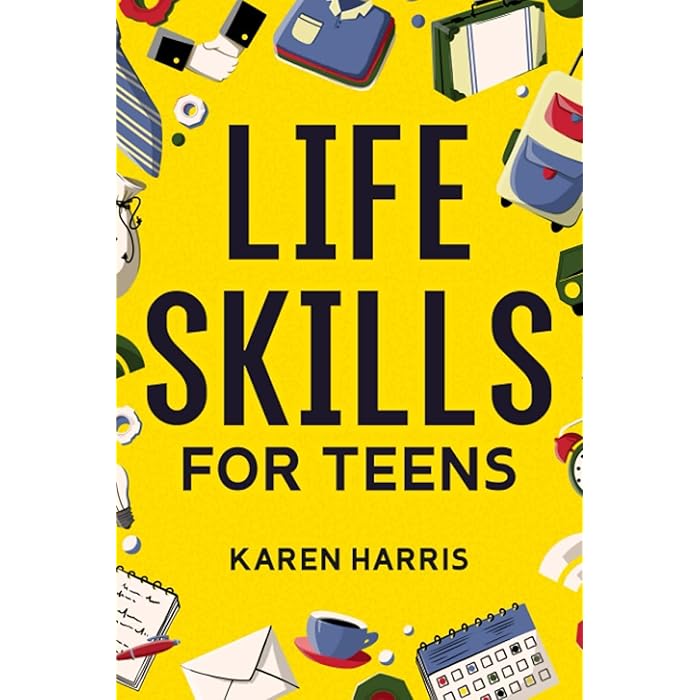
Teaching life skills to teens is essential for their personal growth and future success. These skills help them navigate through challenges, make informed decisions, and lead independent, fulfilling lives. Here’s a comprehensive list of life skills for teens:
### 1. **Self-Awareness**
– **Emotional intelligence**: Recognizing and managing their emotions and understanding how they affect others.
– **Self-esteem**: Building confidence and having a healthy self-image.
– **Goal setting**: Setting personal, academic, and career goals and making plans to achieve them.
### 2. **Communication Skills**
– **Active listening**: Paying attention and understanding others’ perspectives.
– **Verbal and non-verbal communication**: Expressing thoughts clearly and appropriately.
– **Conflict resolution**: Handling disagreements respectfully and finding compromises.
– **Public speaking**: Presenting ideas confidently in front of others.
### 3. **Decision-Making and Problem-Solving**
– **Critical thinking**: Evaluating information, identifying biases, and making informed decisions.
– **Decision-making**: Weighing pros and cons to choose the best course of action.
– **Problem-solving**: Analyzing problems and brainstorming practical solutions.
### 4. **Time Management**
– **Prioritizing tasks**: Organizing tasks based on importance and deadlines.
– **Avoiding procrastination**: Developing habits to start tasks early and avoid last-minute rushes.
– **Balancing school, work, and social life**: Creating schedules to manage various responsibilities effectively.
### 5. **Financial Literacy**
– **Budgeting**: Understanding how to manage money, save, and spend wisely.
– **Saving and investing**: Learning the importance of saving money and how investments work.
– **Credit and debt**: Understanding credit scores, loans, and managing debt responsibly.
– **Taxes**: Basic understanding of taxes and deductions.
### 6. **Health and Wellness**
– **Nutrition**: Making healthy food choices and understanding the importance of a balanced diet.
– **Exercise**: Developing regular exercise habits and understanding its role in overall health.
– **Mental health**: Recognizing signs of stress, anxiety, or depression and knowing when to seek help.
– **Sleep hygiene**: Developing healthy sleep habits for physical and mental well-being.
### 7. **Independence and Responsibility**
– **Household chores**: Learning basic tasks like cooking, cleaning, and laundry.
– **Personal hygiene**: Taking responsibility for daily self-care routines.
– **Time alone**: Being comfortable with solitude and using it productively.
### 8. **Social Skills**
– **Building relationships**: Forming and maintaining positive relationships with friends, family, and peers.
– **Empathy**: Understanding others’ feelings and showing compassion.
– **Respecting boundaries**: Understanding and respecting personal space and limits in relationships.
– **Teamwork**: Collaborating effectively with others in group settings.
### 9. **Digital Literacy**
– **Social media etiquette**: Understanding the impact of online behavior and managing online privacy.
– **Cybersecurity**: Recognizing online threats, safeguarding personal information, and using devices responsibly.
– **Critical use of technology**: Balancing screen time with offline activities, and avoiding digital addiction.
### 10. **Workplace Skills**
– **Work ethic**: Understanding the importance of punctuality, reliability, and professionalism.
– **Job interview skills**: Preparing for job interviews, dressing appropriately, and communicating well.
– **Networking**: Building connections that could help with career advancement.
– **Time management at work**: Managing work tasks and deadlines efficiently.
### 11. **Leadership and Personal Growth**
– **Building resilience**: Learning how to bounce back from setbacks and challenges.
– **Self-motivation**: Setting goals and maintaining the drive to achieve them.
– **Mentorship**: Seeking and offering guidance for personal and professional growth.
– **Making a difference**: Volunteering, community involvement, and developing a sense of social responsibility.
### 12. **Civic Responsibility**
– **Understanding rights and responsibilities**: Learning about their rights as citizens and how to be active in their community.
– **Voting and participation**: Becoming informed about local, national, and global issues.
– **Environmental awareness**: Understanding the importance of sustainability and taking action to protect the environment.
By focusing on these life skills, teens can better prepare themselves for adulthood, make informed decisions, and lead healthy, fulfilling lives.
Only logged in customers who have purchased this product may leave a review.




Reviews
There are no reviews yet.