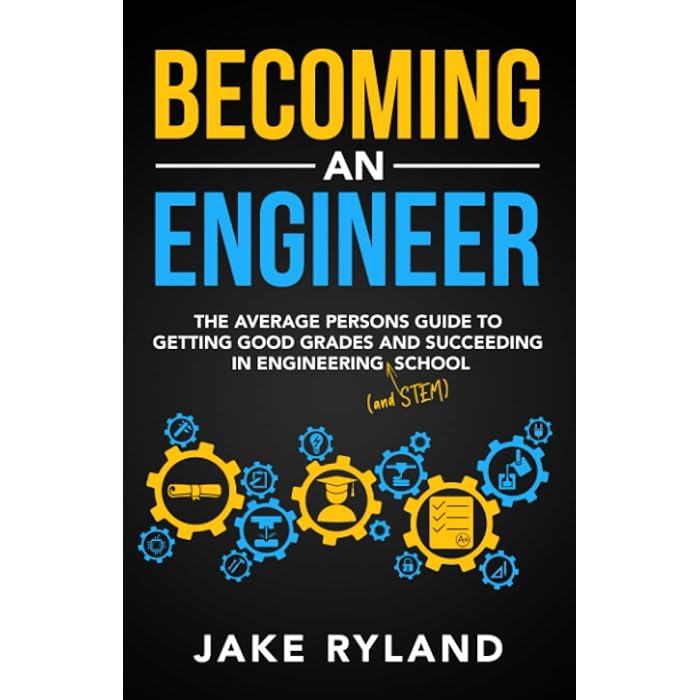
Description
Becoming an engineer is an exciting and rewarding path that opens doors to many different fields, from mechanical and electrical engineering to computer science and civil engineering. Here’s a general overview of the steps involved in becoming an engineer, along with some important things to consider along the way:
### 1. **Explore Engineering Fields**
Engineering is a broad field with various specializations. The first step is to explore the different branches of engineering to determine which area interests you the most. Some common branches include:
– **Mechanical Engineering**: Focuses on designing, manufacturing, and testing mechanical systems.
– **Electrical Engineering**: Involves working with electrical systems, electronics, and electromagnetism.
– **Civil Engineering**: Deals with the design and construction of infrastructure, such as buildings, roads, and bridges.
– **Software Engineering**: Focuses on developing software systems and applications.
– **Chemical Engineering**: Involves the use of chemical processes in industries like pharmaceuticals, energy, and manufacturing.
– **Aerospace Engineering**: Involves the design of aircraft, spacecraft, and related systems.
Take time to read about different fields, talk to professionals, or do internships to get a better sense of what excites you.
### 2. **Education: Earn a Bachelor’s Degree**
The typical educational path to becoming an engineer starts with earning a **bachelor’s degree** in an engineering discipline. Most universities offer specialized programs in various fields of engineering.
**Key steps during your education**:
– **High School Preparation**: Focus on subjects like mathematics (algebra, calculus, geometry), physics, chemistry, and computer science. These subjects provide a strong foundation for engineering.
– **Undergraduate Studies**: You’ll take courses in math, physics, and engineering fundamentals, along with specialized courses in your chosen field. For example, a mechanical engineering program will cover thermodynamics, fluid mechanics, and materials science.
– **Hands-on Learning**: Engineering programs typically include lab work, projects, and internships to gain practical experience.
### 3. **Get Practical Experience**
Engineers need to apply theoretical knowledge in real-world scenarios. Look for internships or co-op programs during your undergraduate years. This experience helps you:
– Build a professional network.
– Develop practical skills.
– Get a taste of the day-to-day work in the industry.
– Potentially land a job offer after graduation.
### 4. **Earn a Professional License (Optional but Beneficial)**
Depending on your country and the type of engineering work you want to do, you may need to obtain a **professional engineer (PE) license**. This is typically required for engineers who work in public safety, infrastructure projects, or in roles where they sign off on designs or constructions.
In the U.S., the process involves:
– Completing a degree from an accredited engineering program.
– Gaining work experience under the supervision of a licensed engineer (usually 4 years).
– Passing the **Fundamentals of Engineering (FE)** exam.
– Passing the **Principles and Practice of Engineering (PE)** exam.
Licensing requirements vary by country, so it’s important to research the regulations in your area.
### 5. **Consider Further Education (Master’s or Ph.D.)**
After earning a bachelor’s degree, you may choose to pursue further education to specialize in a particular area of engineering or to advance in your career.
– **Master’s Degree**: Offers deeper knowledge in a specific field, such as advanced topics in materials science, robotics, or systems engineering.
– **Ph.D.**: For those interested in research, teaching, or working in highly specialized roles in academia or industry.
Further education can also open doors for higher-paying roles or positions in management and leadership.
### 6. **Develop Soft Skills**
In addition to technical expertise, engineers need strong **soft skills** such as:
– **Problem-solving**: Engineering is all about finding solutions to complex problems.
– **Communication**: Engineers often work in teams and need to clearly explain technical concepts to non-engineers.
– **Teamwork**: Collaboration with other engineers, designers, and stakeholders is essential.
– **Leadership**: As you advance in your career, you may need to manage projects or teams.
These skills are just as important as technical knowledge in ensuring your success in the field.
### 7. **Stay Current with Technology**
Engineering is a constantly evolving field. New technologies, tools, and methodologies are emerging regularly. Stay up-to-date by:
– Attending workshops, conferences, or webinars.
– Reading industry journals and research papers.
– Joining professional organizations (e.g., IEEE for electrical engineers, ASME for mechanical engineers) that provide resources, networking, and certification opportunities.
### 8. **Launch Your Engineering Career**
After completing your education and gaining experience, you can begin your career as a professional engineer. You’ll likely start in an entry-level role and work your way up through experience, continuing education, and certifications.
Possible career paths include:
– **Industry Roles**: Working for companies in sectors like technology, manufacturing, energy, or construction.
– **Consulting**: Offering expertise to businesses and governments in solving engineering problems.
– **Entrepreneurship**: Starting your own engineering-related company or product.
### 9. **Keep Learning and Advancing**
As with many professions, the learning doesn’t stop once you have your degree. Continuous learning through professional development, new certifications, or higher degrees is key to staying competitive and advancing your career.
—
### Tips for Success:
– **Work on Projects**: Participate in extracurricular activities like engineering clubs, competitions (e.g., robotics competitions), or side projects that allow you to apply your skills.
– **Mentorship**: Find a mentor in the field who can offer guidance, career advice, and technical support.
– **Networking**: Build connections with fellow students, professors, and professionals in the industry.
– **Time Management**: Engineering courses can be challenging, so effective time management is crucial to stay on top of your studies and projects.





Reviews
There are no reviews yet.