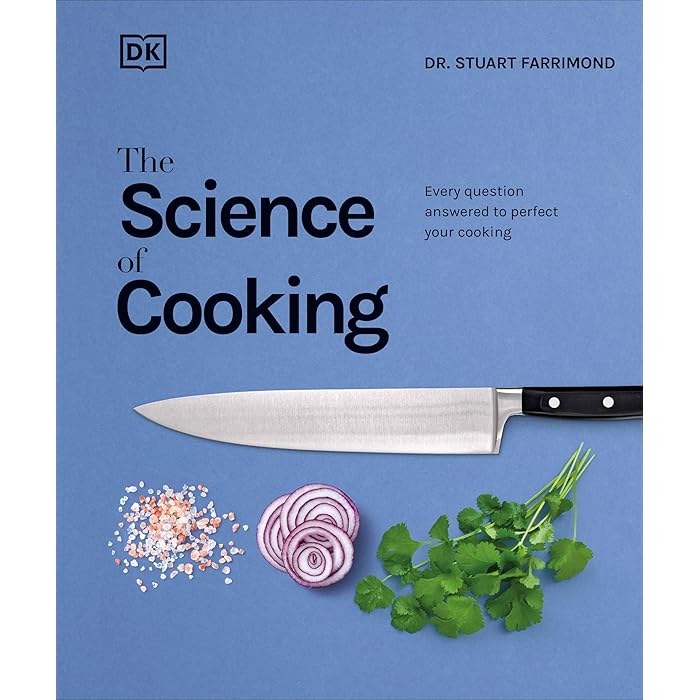
Description
The science of cooking is a fascinating blend of biology, chemistry, and physics. At its core, cooking is the process of transforming raw ingredients into edible, flavorful, and safe dishes through various methods like heat, mechanical manipulation, and chemical reactions. Here’s an overview of how science plays a role in the kitchen:
### 1. **Heat and Temperature Control**
– **Thermodynamics**: Heat is the primary force that drives cooking. Heat energy causes the molecules in food to move faster, leading to chemical and physical changes. The application of heat is what makes food soft, flavorful, and safe to eat.
– **Conduction**: Transfer of heat through direct contact (e.g., frying pan to food).
– **Convection**: Heat transfer through fluids (air or water), as in baking or boiling.
– **Radiation**: Heat transfer through electromagnetic waves, such as grilling or broiling.
– **Maillard Reaction**: A key chemical reaction in cooking where heat causes amino acids and reducing sugars to react, resulting in the browning of food and the development of complex flavors. This happens, for example, when searing meat or toasting bread.
– **Caramelization**: When sugar is heated to high temperatures, it breaks down and turns brown, creating a sweet, nutty flavor. This is important in cooking foods like onions or making candy.
### 2. **Chemical Reactions in Cooking**
– **Proteins Denaturation**: Heat causes proteins in food (like in meat, eggs, or dairy) to lose their natural structure (denaturation). This changes their texture and makes them easier to digest. For example, cooking an egg transforms its clear liquid into a solid white because the proteins denature and coagulate.
– **Emulsification**: Certain ingredients, like oil and water, don’t mix naturally. An emulsifier (like egg yolk in mayonnaise) helps combine them. The science behind this involves the creation of small droplets of one liquid suspended in another, stabilized by the emulsifier’s molecules.
– **Acid-Base Reactions**: Many recipes use acids (like lemon juice or vinegar) to alter the texture or flavor of ingredients. For instance, in cooking beans, the acidity of vinegar can slow the softening process of the beans. On the other hand, baking soda (a base) can cause reactions that lead to lighter, fluffier textures in cakes or breads.
### 3. **The Role of Water in Cooking**
– **Boiling and Steaming**: Water acts as a medium for cooking, transferring heat effectively. Water boils at 100°C (212°F), and during the process of boiling, it helps break down the texture of vegetables and meats, making them tender.
– **Water Activity and Preservation**: In baking, water in dough is crucial for activating gluten and hydrating starches. The water activity also plays a role in food preservation—foods with low water activity (e.g., dried fruits, jerky) are less prone to bacterial growth.
– **Gelatinization of Starches**: When starches are heated in water (as in the case of pasta or rice), the starch molecules absorb water and swell, thickening sauces and gravies. This process is critical in many baking and cooking applications.
### 4. **Textures and Structure**
– **Gluten Formation**: When flour is mixed with water and kneaded, gluten (a protein) forms, creating an elastic network that gives bread dough its chewy texture. The structure of gluten affects the texture of baked goods—more gluten results in chewier, denser products (like bagels), while less gluten results in more delicate items (like cakes).
– **Starch Retrogradation**: After cooking and cooling starchy foods like potatoes or rice, the starch molecules can realign into a crystalline structure, affecting texture. This can make foods seem harder or dry after they’ve been refrigerated.
### 5. **Flavor Chemistry**
– **Taste and Aroma**: Flavor is a combination of taste (the five basic tastes: sweet, sour, salty, bitter, and umami) and aroma (smell). The heat from cooking unlocks volatile compounds in food that contribute to its aroma and overall flavor profile. This explains why food often tastes different when cooked, as the heat changes the chemical makeup of the ingredients.
– **Umami**: This “fifth taste” is related to the presence of glutamates (amino acids), often found in foods like tomatoes, cheese, and soy sauce. Cooking enhances umami flavors, making dishes more savory and satisfying.
### 6. **Fermentation and Microbial Activity**
– **Fermentation**: A process where microorganisms (such as yeast or bacteria) convert sugars into alcohol, acids, or gases. It is the backbone of many food and drink items, including bread, beer, yogurt, and pickles.
– **Yeast Fermentation**: In bread-making, yeast consumes sugars and produces carbon dioxide, which causes dough to rise. The heat then kills the yeast, leaving behind a light, airy texture.
– **Lactic Acid Bacteria**: These bacteria are used in the fermentation of dairy products like yogurt, or vegetables like sauerkraut. They convert sugars into lactic acid, which both preserves the food and gives it a tangy flavor.
### 7. **The Physics of Cooking Equipment**
– **Cooking Vessels**: The material of a pan affects how evenly it distributes heat. For example, copper and aluminum heat quickly and evenly, while cast iron retains heat for longer periods, making it ideal for slow cooking or searing.
– **Pressure Cooking**: In a pressure cooker, the pressure inside the pot raises the boiling point of water, allowing food to cook at higher temperatures. This results in faster cooking times and can help break down tough fibers in meats or beans.
### 8. **Preservation and Food Safety**
– **Heat and Pasteurization**: Cooking at high temperatures can kill harmful bacteria or viruses in food, which is why proper cooking temperatures are important for food safety. Pasteurization, used for products like milk, involves heating food to a specific temperature to kill pathogens without compromising the flavor or texture.
– **Canning and Freezing**: Both of these methods involve slowing down or halting the growth of microorganisms. Freezing preserves food by slowing down microbial activity, while canning uses heat to kill bacteria and seals food in an airtight container.



Reviews
There are no reviews yet.