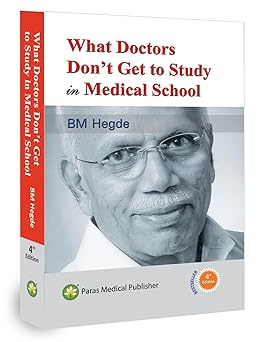
Description
Medical school is an intensive and comprehensive program that covers a wide range of topics, but there are still areas that many doctors don’t study in-depth during their training. These topics may either be outside the scope of a typical medical curriculum or may require additional specialization after medical school. Here are some key areas that are often not fully covered:
### 1. **Financial Literacy and Business Skills**
– **Billing and Coding:** While doctors are expected to understand how medical billing works, they don’t usually receive formal training on insurance codes, reimbursement policies, or how to navigate the complex financial side of healthcare.
– **Practice Management:** How to run a medical practice, manage staff, deal with taxes, handle payroll, and understand the economics of healthcare are rarely taught in medical school.
– **Investment and Personal Finance:** Few medical programs cover personal financial management, investing, or preparing for retirement. As a result, many doctors are financially literate in medicine but not in managing their finances.
### 2. **Psychological and Emotional Aspects of Healthcare**
– **Burnout and Mental Health:** While medical students may be taught the basics of mental health disorders, they often don’t receive in-depth education about managing their own mental health or recognizing and preventing burnout, despite the high-stress nature of their profession.
– **Patient Psychology:** Understanding the psychological aspects of patient care, including coping mechanisms, stress management, and how to communicate effectively with patients who have mental health challenges, is often underemphasized.
### 3. **Nutrition and Lifestyle Medicine**
– While doctors are taught some basic nutrition, the science of how diet and lifestyle affect long-term health outcomes is often not covered in depth. Many medical schools focus more on pathology and pharmacology, leaving lifestyle interventions, such as diet, exercise, and stress management, as secondary or optional areas of study.
### 4. **Alternative and Complementary Medicine**
– Medical schools primarily focus on evidence-based, conventional treatments, leaving little room for the study of alternative or complementary therapies (e.g., acupuncture, herbal medicine, chiropractic care). While some schools offer elective courses or invite guest speakers, alternative treatments aren’t typically part of the core curriculum.
### 5. **Medical Law and Ethics (Beyond the Basics)**
– Medical ethics is taught, but often only at a high level, with a focus on issues like informed consent, confidentiality, and end-of-life decisions. However, issues such as malpractice law, healthcare fraud, and navigating complex ethical dilemmas in real-world clinical practice (e.g., managing conflicts of interest or understanding how the legal system affects medical decisions) are usually not explored in depth.
### 6. **Communication Skills**
– While communication is emphasized in some aspects of medical education, many doctors feel inadequately trained in conveying bad news, managing difficult patient interactions, or navigating conversations about mental health or sensitive topics (e.g., sexual health, addiction). In fact, many healthcare professionals report receiving little formal training in these areas, even though effective communication is critical to patient care.
### 7. **The Business of Healthcare**
– Doctors usually have little to no exposure to the structure of healthcare systems, including hospital administration, healthcare policy, and the economics of medicine (e.g., how healthcare costs and decisions are made at institutional and governmental levels). As a result, many doctors are left to navigate the complex system of healthcare finance and policy on their own after completing their training.
### 8. **Medical Technology and Informatics**
– With the rapid advancement of medical technology (e.g., artificial intelligence, telemedicine, robotic surgery, and big data analytics), many doctors may not receive sufficient education on how these technologies work, how to integrate them into clinical practice, or how to ensure patient data privacy and security. Medical informatics, the study of health information systems, is sometimes offered as a specialty but is not a focus of general medical curricula.
### 9. **Humanities in Medicine**
– Many medical schools focus heavily on science and clinical skills, but there is often limited exposure to the humanities, such as literature, philosophy, and history, that can offer insights into the human condition and the art of medicine. Some schools are beginning to incorporate these subjects, but they are not a central focus of training.
### 10. **Medical Anthropology and Social Determinants of Health**
– Social factors that influence health—such as socioeconomic status, culture, environment, and access to care—are sometimes overlooked or only addressed in a general way. While public health programs may include these topics, they are often underemphasized in clinical training.
### 11. **End-of-Life Care and Palliative Care**
– While end-of-life care, hospice care, and palliative care are important aspects of medicine, they are often not deeply integrated into medical training. Many doctors report feeling unprepared to handle the emotional and logistical challenges of end-of-life care.
### 12. **Sociocultural Competency**
– Although cultural competence is increasingly included in medical curricula, understanding the cultural, social, and community factors that impact health is often given insufficient attention. This includes learning how to address healthcare disparities or interact effectively with patients from diverse ethnic, cultural, and socio-economic backgrounds.
### 13. **Surgical Skills (for Non-Surgeons)**
– Most medical students will get basic exposure to surgery through clinical rotations, but non-surgeons don’t receive extensive training in advanced surgical techniques or even in managing surgical complications, despite the fact that they may deal with post-surgical care or collaborate with surgeons throughout their careers.
### 14. **Non-Medical Aspects of Patient Care**
– Topics like health literacy, navigating the healthcare system, patient advocacy, and support for patients dealing with chronic illness may not be deeply addressed in medical education, yet they are critical to ensuring comprehensive patient care.





Reviews
There are no reviews yet.