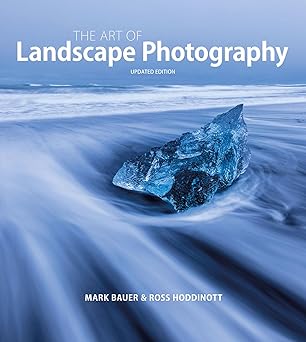
Description
Landscape photography is an art form that captures the beauty of natural and man-made environments, often invoking feelings of serenity, awe, and connection with nature. To master the art of landscape photography, several techniques, principles, and considerations come into play:
### 1. **Composition**
Composition is crucial in landscape photography. Here are some essential tips:
– **Rule of Thirds**: Divide your image into thirds both horizontally and vertically. Place important elements like the horizon, focal points (e.g., a tree, mountain, or building), or leading lines along these lines or intersections.
– **Leading Lines**: Use natural elements (rivers, roads, paths, etc.) to lead the viewer’s eyes through the photograph. This adds depth and direction to the image.
– **Framing**: Look for natural frames like tree branches, archways, or rocks to enclose the subject of the photograph, which can add emphasis and focus.
– **Balance**: A balanced composition prevents one side of the image from feeling too “heavy” or dominating. You can balance the elements in a scene symmetrically or asymmetrically.
### 2. **Lighting**
Lighting is one of the most important factors in landscape photography. The time of day you shoot can dramatically affect the mood and quality of light.
– **Golden Hour & Blue Hour**:
– **Golden Hour** (shortly after sunrise or before sunset) provides warm, soft light that can bring out textures and details in landscapes.
– **Blue Hour** (the period just before sunrise or after sunset) offers cooler tones and deeper blues in the sky and surrounding environment.
– **Direction of Light**: Side-lighting (when the sun is to the side of your subject) enhances textures and depth. Front-lighting (when the sun is behind you) creates a more evenly lit scene, but can sometimes flatten the image. Backlighting, when the light source is behind your subject, can create silhouettes or glowing edges, adding drama to the shot.
### 3. **Perspective and Angle**
The angle and perspective you choose can completely change the perception of the landscape.
– **High vs. Low Angles**: A low angle can emphasize foreground elements and create a sense of grandeur. A high angle can provide sweeping views and allow the horizon to be seen more clearly.
– **Wide vs. Telephoto Lenses**:
– A **wide-angle lens** (e.g., 16mm-35mm) helps capture expansive scenes and gives a sense of depth and space.
– A **telephoto lens** (e.g., 70mm-200mm) can compress the scene, making distant elements appear closer together, and can isolate specific details.
### 4. **Focus and Depth of Field**
Depth of field determines what areas of the image are in focus.
– **Wide Depth of Field**: For classic landscape shots, you typically want a large depth of field to ensure both the foreground and background are in focus. You can achieve this by using smaller apertures (higher f-stop numbers, such as f/8 to f/16).
– **Selective Focus**: Sometimes, focusing on a specific element (like a flower or rock) with a blurred background can create a more intimate or abstract landscape.
### 5. **Use of Filters**
Filters are an essential tool for controlling light and enhancing details in landscape photography.
– **Polarizing Filter**: This helps to reduce reflections, enhance skies, and increase contrast between the sky and clouds.
– **Neutral Density (ND) Filter**: ND filters reduce the overall light entering the lens, allowing you to use longer exposures in bright conditions. This is especially useful for capturing motion in waterfalls or clouds.
– **Graduated ND Filter**: This filter is darker at the top and fades to clear at the bottom, perfect for balancing the exposure between a bright sky and a darker foreground.
### 6. **Weather and Seasonal Conditions**
The weather greatly influences the mood of your landscape photographs.
– **Clouds**: Cloudy skies can add drama and texture, while clear skies may give a more serene and simple look.
– **Rain, Snow, or Fog**: These conditions create unique atmospheres. Snow brings brightness and contrast, while fog adds mystery and softens the scene.
– **Seasonal Changes**: Capturing the same location during different seasons (spring, summer, fall, winter) can highlight the transforming beauty of nature.
### 7. **Post-Processing**
While capturing a good image in-camera is essential, post-processing can help bring out the final details. Some post-processing techniques include:
– **Enhancing Contrast and Color**: Use tools like Lightroom or Photoshop to adjust the contrast, vibrancy, and saturation of your photo.
– **Sharpness and Clarity**: Sharpening the image and increasing clarity can help bring out fine details, especially in landscapes with textures like rocks, grass, or leaves.
– **Sky Replacement or Exposure Blending**: In some cases, you may want to replace a bland sky or blend exposures to get a balanced image. Techniques like HDR (High Dynamic Range) can be useful here.
### 8. **Patience and Observation**
Often, the best landscapes require waiting for the right moment. Weather, light, and conditions can change rapidly, so patience is key. Sometimes, taking time to observe your surroundings and truly understanding the environment will allow you to find new perspectives or hidden details.
### 9. **Ethical Considerations**
As a landscape photographer, it’s important to practice environmental responsibility:
– Respect nature and wildlife by sticking to marked trails and not disturbing fragile ecosystems.
– Avoid leaving behind litter or damaging natural features.
– Be mindful of the cultural significance of certain places.
—




















































Reviews
There are no reviews yet.